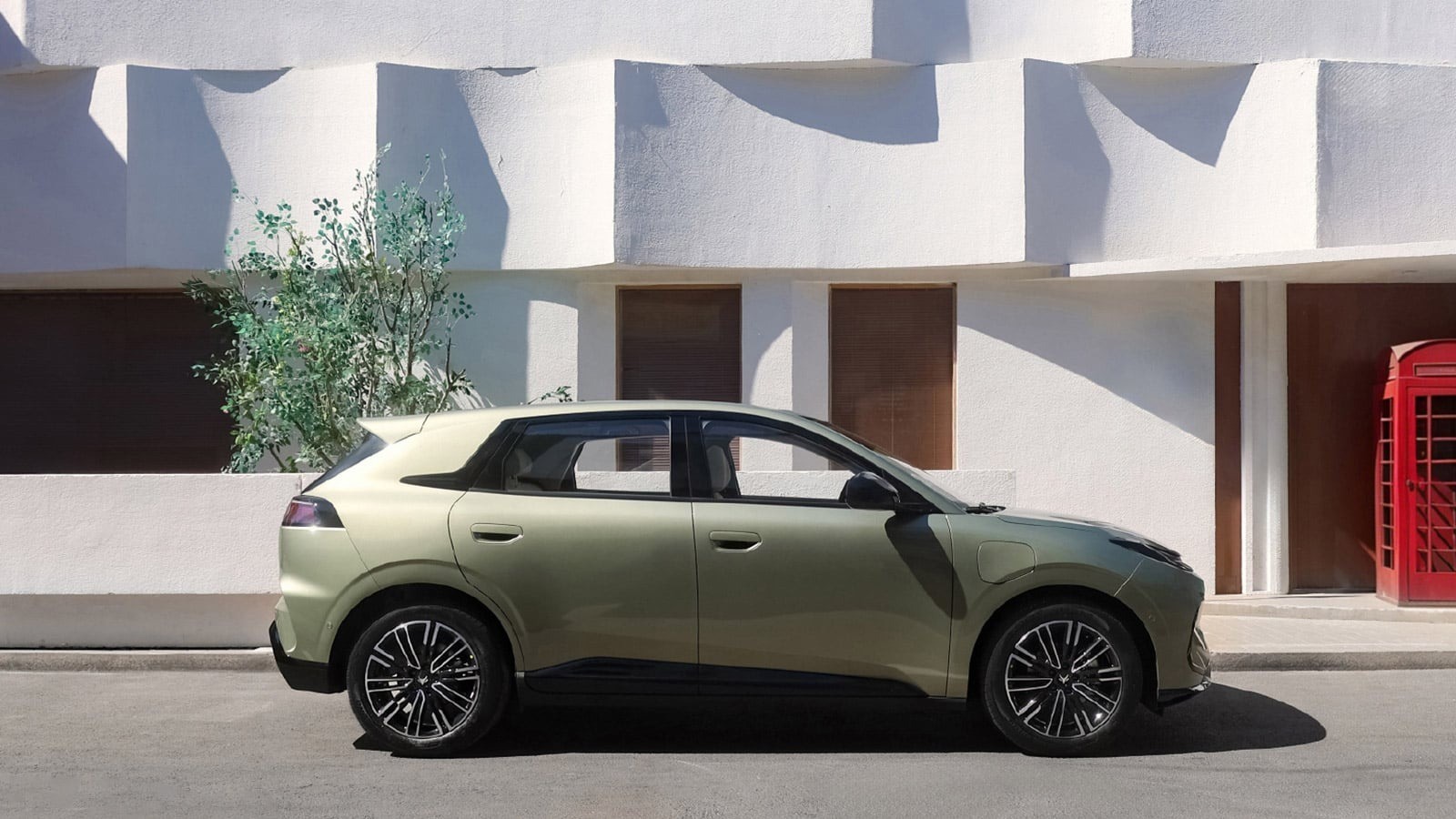















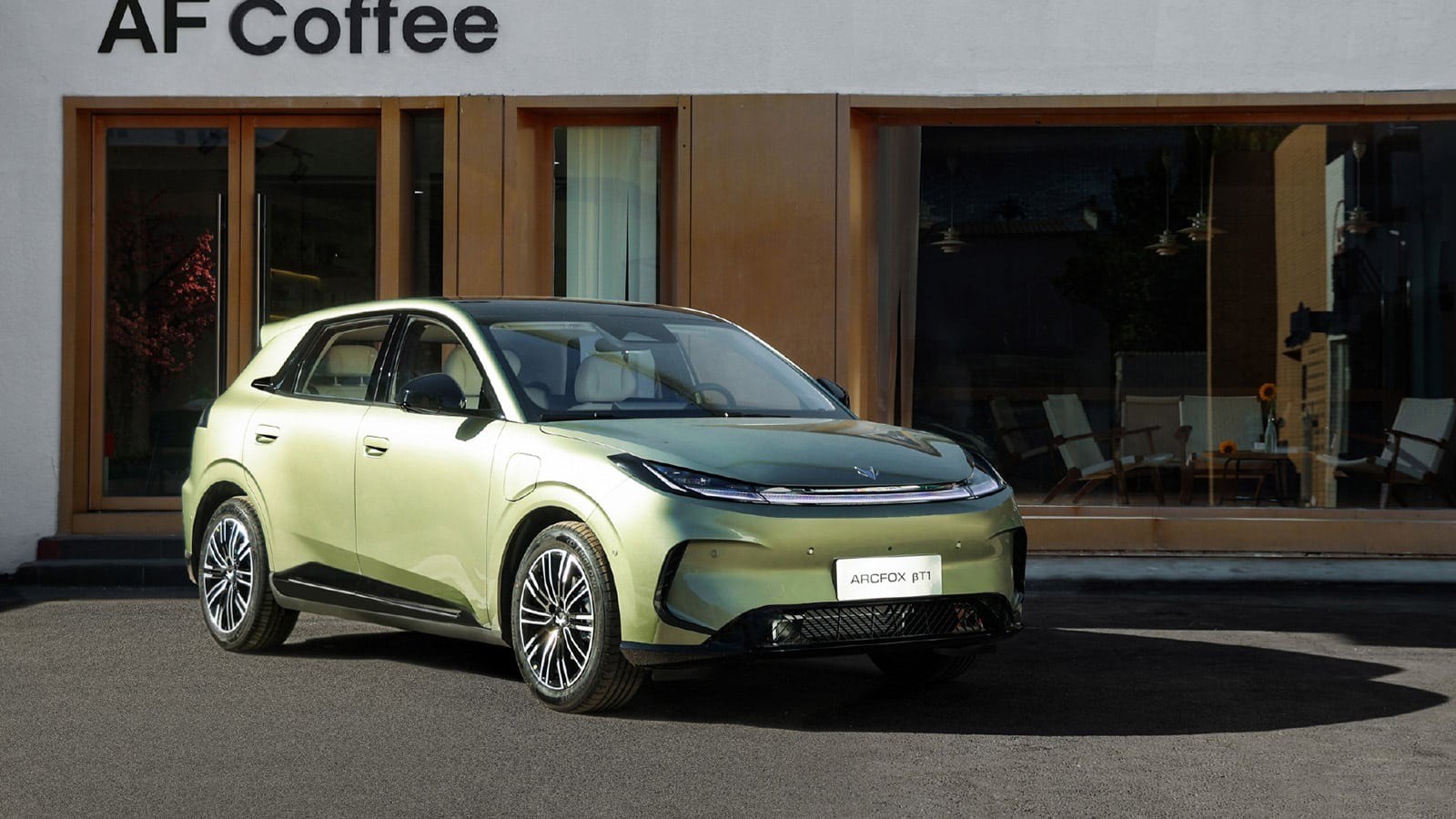
The Arcfox Beta T1 proves how far cheap electric cars have come. BAIC’s EV brand just relaunched the compact hatchback, and it starts at about $9,200. That is striking on its own, yet the bigger surprise is the badge behind it. BAIC is Mercedes-Benz’s Chinese manufacturing partner, so this bargain EV shares a parent company with the three-pointed star. It went on sale in China on June 16, and it is not coming to the United States.
A premium look for $9,200
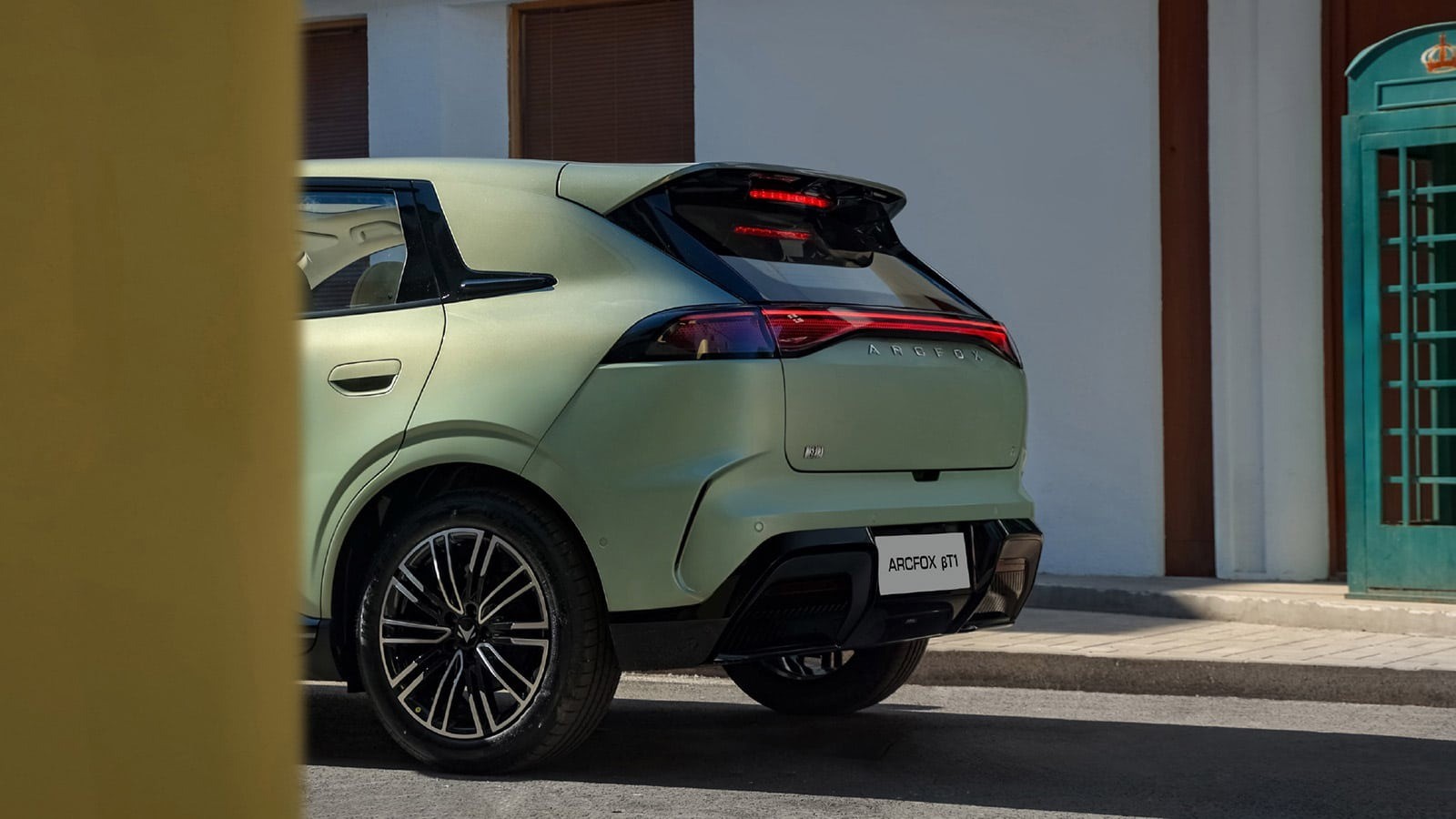
Arcfox sells the Beta T1 in three trims, priced from 62,800 to 79,800 yuan, or roughly $9,200 to $11,700. For that money, it looks far costlier than it is. The refresh adds a full-width daytime running light up front and a new full-width taillight at the back. Two fresh colors, Cloud Rose Pink and Shadow Green, join the range as well. At 4,375mm long, it is an A0-class car aimed squarely at the Geely Xingyuan and the BYD Seagull.
Modest range, quick charging
The numbers are sensible rather than spectacular. Arcfox offers a 36.4 kWh or 42.3 kWh lithium iron phosphate battery, which deliver about 350 or 450 kilometers on China’s lenient CLTC cycle. In US terms, that lands closer to 220 and 280 miles, and a longer 342-mile variant is due within two months. A single 95 kW front motor drives the wheels, so this is a city car, not a sprinter. Still, fast charging takes the battery from 30% to 80% in under 22 minutes. For a pricier take on fast Chinese charging, see the BYD Da Tang EV.
A cabin that punches above its price
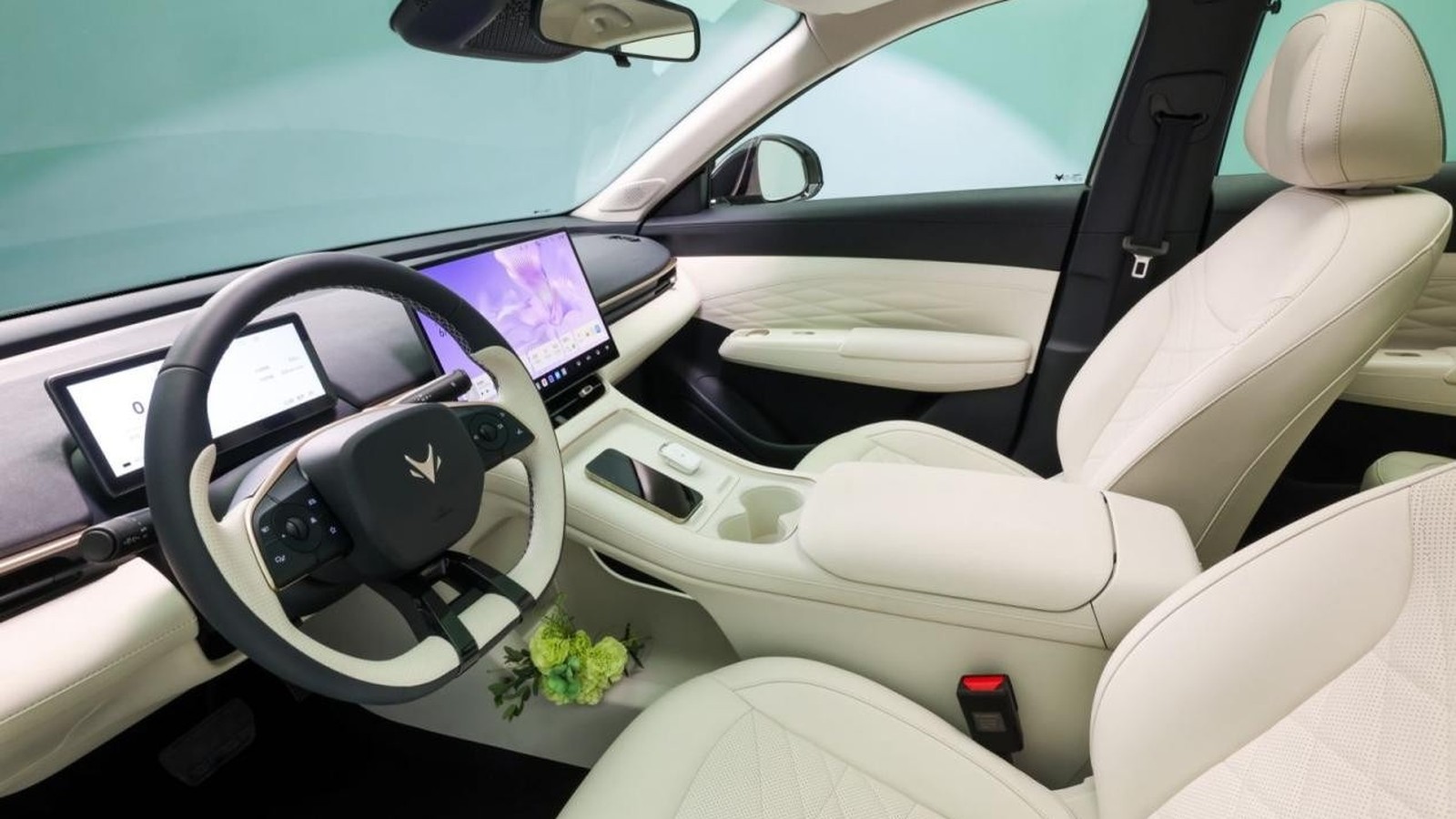
Inside, the Beta T1 keeps surprising. A 15.6-inch touchscreen pairs with an 8.8-inch digital cluster, and a panoramic glass roof brightens the space. Buyers also get seat heating, a 360-degree camera, a built-in dashcam, and a Sentry-style security mode. Moreover, the top trim adds a 50W wireless charging pad. Apple CarPlay, Huawei HiCar, and Android Carlink all feature, alongside an L2 driver-assistance suite with adaptive cruise and lane-keeping.
Why you cannot buy one
Here is the catch: the Beta T1 stays in China. BAIC has no plans to ship it stateside, and steep US tariffs on Chinese EVs would erase its price advantage anyway. So American buyers can only admire it from afar. It does, however, show how aggressive Chinese brands have become, even as Western makers chase the high end with cars like the Mercedes-Benz VLE. The gap in value is hard to ignore.